Commercial Moves in West Kensington
If you are planning Commercial Moves in West Kensington, you are likely balancing more than just boxes and furniture. You may be moving an office, retail unit, studio, clinic, consultancy, or shared workspace, and every hour of downtime matters. In a busy part of London like West Kensington, a successful business relocation is about careful planning, safe handling, access coordination, and a move that fits around real trading hours. Whether you are shifting a small team to a new floor, relocating a customer-facing business, or reorganising a commercial premises between leases, choosing a local team can make the process far easier.
West Kensington has its own mix of property types and commercial needs. You will find converted buildings, purpose-built office spaces, lower-ground units, mixed-use premises, and busy high street locations close to Kensington Olympia, Barons Court, Hammersmith, and Earl’s Court. These surroundings can create practical challenges such as narrow roads, limited waiting space, controlled parking, shared entrances, and strict building access times. A move needs to be planned with those realities in mind.
Local commercial removals are not just about lifting desks and loading a van. They involve protecting equipment, keeping teams informed, maintaining business continuity, and making sure the move is completed efficiently and professionally. If you are preparing for a relocation in or around West Kensington, this page explains what is typically included, how the process works, and why local knowledge matters when you are moving a business.
Why West Kensington Businesses Need a Practical Moving Plan

Commercial properties in West Kensington vary widely, and that means no two moves are exactly the same. A law office in a shared building has different needs from a café, a beauty clinic, a design studio, or an e-commerce storage space. Some businesses need a weekend move to avoid interrupting customers, while others want a phased relocation over several days so staff can continue working. The best approach depends on your premises, your equipment, and how much disruption you can tolerate.
In a busy London setting, timing and access matter just as much as transport. Moves near major routes or transport hubs can be affected by local traffic, loading restrictions, and congestion. If your premises is in a building with stair-only access, shared lifts, narrow corridors, or a strict booking system for service vehicles, these details need to be included from the start. A local commercial removals team can help you plan around these realities rather than discovering them on moving day.
Typical commercial moves in the area
Businesses in West Kensington often ask for help with:
- Office relocations and workstation moves
- Retail shop moves and stock transfers
- Clinic, practice, and treatment room relocations
- Studio and agency moves
- Archiving, filing, and document transport
- Furniture disassembly and reassembly
- Internal moves within the same building
Each of these jobs has its own handling requirements. For example, computer equipment needs careful packing, retail stock may need organised labelling, and filing cabinets must be moved in a way that keeps documents secure. If you need a business relocation that feels controlled rather than chaotic, a local team with commercial experience can make a real difference.
Book your service now if you want a move planned around your business hours, building access, and the realities of West Kensington streets and premises.
What Is Included in a Commercial Move

When customers enquire about commercial removals, they often want to know exactly what is included. The answer can vary depending on the size of the move, the type of premises, and the level of preparation you want help with. A well-organised service is usually designed to reduce stress for managers, staff, and building contacts by covering the core tasks needed to move business contents safely.
Common inclusions in a commercial move may involve packing support, furniture handling, loading, transport, unloading, and placement in the new premises. In many cases, the team can also assist with dismantling desks, wrapping fragile items, moving IT equipment carefully, and arranging items by department or room. If you have bulky furniture, specialist fittings, or awkward access, that should be discussed before the move date so the right approach can be planned.
Some businesses also need help with post-move setup. That may include placing desks in the correct rooms, setting up workstations in the order you specify, or moving archived files to the right storage area. If you are relocating a customer-facing business, getting the layout right quickly can help you reopen without unnecessary delay.
Services often requested by local businesses
A commercial move can include a combination of the following:
- Site survey or move assessment
- Move planning and scheduling
- Packing of office or business contents
- Supply of cartons, wrapping, and labels where required
- Safe dismantling of furniture
- Protection for delicate or valuable items
- Transport between old and new premises
- Unloading and placement at the destination
- Support with recycling or disposal of unwanted items if arranged
What matters most is that the move is tailored to your business, not handled like a one-size-fits-all job. A good commercial removals plan should be shaped around access, the volume of items, timing, and any special care items such as computers, screens, stock, or filing systems.
If you are moving within West Kensington or to nearby areas such as Hammersmith, Fulham, Shepherd’s Bush, Earls Court, or Kensington Olympia, local routing knowledge can help keep the day running more smoothly.
How the Moving Process Usually Works

Most businesses prefer a process that feels straightforward and predictable. Commercial relocations work best when the moving company understands what needs to be moved, when the move must happen, and how the new premises should be prepared. In West Kensington, that often means factoring in building rules, parking limitations, and busy road conditions before anything is lifted.
The process often begins with an initial discussion about the size of your premises, the number of staff involved, any sensitive equipment, and the timing you need. If your move affects customer operations, the move date may need to be aligned with quieter hours, weekends, or a staged handover. For businesses in shared buildings, lift bookings, service entrances, and landlord or managing agent requirements may also need to be checked.
Once the plan is agreed, the move itself is usually carried out in a logical sequence: prepare, protect, load, transport, unload, and position. This approach helps reduce confusion and ensures important items are not lost in the shuffle. For larger offices or mixed-use premises, labelling and departmental organisation are especially useful.
Common stages of a commercial relocation
Here is a simple outline of how a move often unfolds:
- Assessment: understanding what needs to move, how much there is, and any access issues.
- Planning: deciding the move date, timing, vehicle access, and team requirements.
- Preparation: packing, labelling, dismantling, and protecting items.
- Moving day: loading safely, transporting the contents, and unloading at the new site.
- Placement: setting items in the correct rooms or zones so work can restart quickly.
Short notice or phased moves may also be possible depending on availability and the complexity of the job. If you need to move a business with limited downtime, it is sensible to plan early so the relocation can be managed around your trading needs.
For many customers, the key benefit of a professional commercial move is confidence. You know who is handling the job, what is being moved, and how the day is expected to run.
Local Challenges in West Kensington and How They Are Managed

West Kensington offers excellent connectivity, but that does not always make moving easy. Commercial streets can be busy, residential side roads may have restrictions, and some business premises are located in older buildings that were not designed for modern logistics. The more local the moving team is, the more familiar they are likely to be with the kinds of practical issues that can affect the day.
Parking is often one of the biggest concerns. If a loading bay is unavailable or a vehicle has to wait on a narrow street, delays can quickly build. In some areas, it may be necessary to plan for controlled parking, timed access, or careful unloading from a designated point. This is especially important for office blocks, shopfronts, basement units, and buildings with limited external space.
Access can also be challenging in properties with tight stairwells, lifts that can only carry a limited load, or shared entrances used by multiple tenants. A commercial moving team should think ahead about whether items need to be broken down, wrapped for protection, or moved in a particular sequence. That is particularly important for filing cabinets, conference tables, heavy shelving, and fragile equipment.
Examples of local considerations
In and around West Kensington, businesses often need to plan for:
- Limited waiting or loading space outside the property
- Busy traffic during peak travel times
- Building rules on lift use or moving hours
- Shared access with other tenants or residents
- Extra care for older buildings and awkward internal layouts
- Timing around schools, nearby retail activity, or commuter traffic
Why does this matter? Because a move that looks simple on paper can become complicated very quickly if access is not checked properly. A local team can help you avoid unnecessary delays by planning for the building and the street, not just the contents of the premises.
If your business sits close to Kensington Olympia, Barons Court, or the roads leading towards Fulham and Hammersmith, a local understanding of the area can be especially helpful when setting timings and vehicle arrangements.
What Local Commercial Customers Usually Want Most
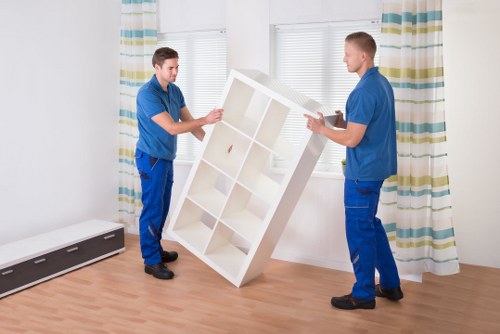
People arranging commercial removals in West Kensington usually have a clear priority: they want the move done properly with as little disruption as possible. That might mean getting a team moved before Monday morning, transferring retail stock after closing time, or moving office contents over a weekend. The best service is one that respects business pressure and helps you stay organised throughout the process.
Common customer concerns include whether fragile items will be handled carefully, whether desks and chairs will be reassembled correctly, how long the move will take, and whether the team can work around building rules. These are all sensible questions. You should feel comfortable asking about the moving plan, the handling of sensitive items, and any special arrangements needed for the premises.
Another common concern is continuity. Many businesses cannot simply shut down for days at a time, so phased moves are often preferred. A phased commercial relocation can allow some staff to keep working while other departments are moved gradually. For example, you might move storage first, followed by furniture and then IT equipment, or shift one floor at a time if the new premises are being occupied in stages.
Benefits of using a local company
Choosing a team familiar with West Kensington can offer several practical benefits:
- Better understanding of local roads, parking, and access limits
- More realistic scheduling around busy London traffic
- Experience with mixed property types and shared buildings
- Quicker responses to last-minute changes where possible
- Stronger awareness of customer-facing business needs
For many businesses, that local familiarity is worth a great deal. It can save time, reduce stress, and make it easier to plan the move around actual operating conditions rather than assumptions.
Whether you are moving a small office, a consulting practice, or a larger commercial unit, a responsive local service can help you feel more in control from the first enquiry to the final placement of furniture.
Preparing for a Commercial Move in West Kensington
Preparation makes a huge difference to how smoothly a business relocation goes. The more organised the team is before moving day, the less time is wasted sorting, labelling, or making decisions under pressure. This is especially true for commercial customers who have equipment, confidential files, stock, and multiple departments to coordinate.
Start by identifying priorities. Decide which items must move first, which items are fragile, which furniture needs dismantling, and which areas of the business can be packed early. If you are keeping the business running during the move, you may also need a handover list so staff know what to use before and after relocation. Communication matters, especially where several people are involved.
It also helps to plan the new site carefully. If desks need to go in specific rooms, or stock needs to be placed by category, make sure the layout is agreed before the moving team arrives. This makes unloading faster and reduces the risk of items being placed in the wrong location.
Preparation checklist for businesses
- Notify staff of the move date and expected timings
- Back up important digital data before equipment is disconnected
- Label boxes, furniture, and workstation items clearly
- Set aside confidential documents for secure handling
- Check access arrangements at both premises
- Reserve parking or confirm loading permissions where needed
- Measure doorways, corridors, and lift space for large items
- Remove personal belongings and sensitive items from desks
- Confirm whether any items need specialist handling
A little preparation goes a long way. If you are unsure how to organise your business contents, ask for guidance before the move. A sensible plan can save time and avoid stress later on.
Keeping teams informed
Staff communication is often overlooked, but it can be crucial. When employees know what is happening, what they need to pack, and where they should be on move day, everything runs more smoothly. For businesses in customer-facing sectors, it can also help to prepare temporary contact or service arrangements so the relocation does not affect clients more than necessary.
Confidential and sensitive items
Some businesses in West Kensington deal with records, medical items, legal files, financial paperwork, or specialist equipment that must be handled discreetly. These items should be identified early so the moving plan can account for them. Secure packing, careful transport, and clear labelling are often essential for these types of contents.
If your move involves sensitive materials, it is worth discussing handling requirements in advance. That way, the relocation can be planned with the right care from the start.
Pricing Factors for Commercial Moves
Many business customers want to understand what affects the cost of a commercial move before they commit. While it is not sensible to rely on generic prices without seeing the premises or understanding the workload, there are several common factors that usually shape the quote. Knowing these can help you compare services more confidently and avoid surprises.
Size and volume are major considerations. A small office with a few desks and chairs will naturally require less time and fewer resources than a larger commercial relocation involving multiple rooms, archive storage, and specialist items. Access also matters. A move from a ground-floor unit with easy loading will usually be simpler than a job involving stairs, lifts, or tight parking restrictions.
Timing can also influence the plan. Out-of-hours, weekend, and phased moves may require different scheduling arrangements. If your business needs rapid turnaround, additional coordination may be needed to keep the process efficient. The presence of fragile, valuable, or awkward items may also affect how the move is organised, as they need extra handling and protection.
Factors that can affect a quote
- Amount of furniture, stock, and equipment
- Distance between premises
- Access difficulty at either location
- Need for packing or dismantling support
- Specialist care for IT, files, or delicate items
- Preferred move time or day
- Any need for storage or staged delivery if arranged
The most useful quote is one based on the real details of your move. If you can provide a clear inventory, access notes, and timing requirements, the service can be planned more accurately.
For businesses comparing options, this often leads to better decisions. A cheaper-looking move that does not account for access problems or extra handling can become more costly in time and disruption later on.
Why Choose a Local Commercial Removal Team
There are many reasons businesses prefer a local team for relocations in West Kensington. Familiarity with the area is one of the biggest. Local teams often understand which roads are tight, where parking is difficult, and how building access tends to work in nearby streets and commercial properties. That practical knowledge can help a move stay on schedule.
Another advantage is responsiveness. When you are dealing with a business relocation, there may be changes right up to the move date. A local commercial removals company may be better placed to adapt to those changes, whether that means adjusting arrival times, managing staged loading, or dealing with last-minute access updates.
Most importantly, local service is often more personal. You are not looking for a one-off van hire solution; you are looking for a team that understands the pressures of moving a working business. That includes protecting equipment, respecting premises, and helping you get back to normal as quickly as possible.
Suitable for many types of businesses
Commercial moves in West Kensington commonly involve:
- Start-ups moving into their first office
- Established companies upgrading to larger premises
- Retailers shifting between nearby units
- Independent practices relocating for better access
- Shared workspaces reconfiguring internal layouts
- Businesses moving between West Kensington and surrounding areas
If you want a move that feels planned rather than improvised, a local team is usually the best place to start. Request a free quote to discuss your premises, timings, and any special requirements.
Areas Covered Around West Kensington
Businesses do not always move only within the same street. Many commercial relocations involve nearby parts of West London, whether for better space, improved transport links, or a more suitable customer base. If your business is in or near West Kensington, it is helpful to work with a team familiar with surrounding neighbourhoods and the route between them.
Nearby areas commonly covered may include Hammersmith, Barons Court, Fulham, Kensington Olympia, Earls Court, Shepherd’s Bush, and nearby commercial corridors across West London. If your new premises is a short distance away, careful route planning can keep the relocation efficient and minimise time off the tools, desks, or shop floor.
For businesses that are expanding or consolidating, local coverage can be especially useful. It gives you more flexibility in choosing premises while still keeping your move within a manageable service area.
FAQs About Commercial Moves in West Kensington
How far in advance should I book a commercial move?
The earlier you book, the easier it is to plan access, timing, and the right level of support. Larger offices or businesses with complex equipment usually benefit from more lead time. If your move is urgent, ask as soon as possible so availability can be checked.
Can the move be arranged outside business hours?
Yes, many commercial customers prefer evenings, weekends, or quieter periods to reduce disruption. This is often especially useful for customer-facing businesses and offices that cannot shut down during normal working hours.
Will furniture be dismantled and reassembled?
That can often be included depending on the service plan. Desks, shelving, and some larger items may need to be dismantled for safe transport and then reassembled at the destination. It is best to confirm this in advance.
What about computers and sensitive equipment?
IT equipment and fragile devices usually need careful packing and handling. You should back up any important data before disconnecting equipment and make sure cable and workstation labelling is clear. If you have specialist equipment, mention it early in the planning process.
Do I need to organise parking or access myself?
That depends on your building and local restrictions. Some businesses arrange parking and access permissions in advance, while others need help understanding what is required. Either way, it is important to plan these details before moving day.
Can you move stock, files, and office furniture together?
Yes, many commercial moves involve a mix of furniture, files, stock, and equipment. The key is to organise everything clearly so it can be loaded and unloaded in the right order.
Choosing the Right Service for Your Business
When comparing commercial moving options, look for a service that feels organised, responsive, and suitable for business premises rather than residential-only relocation. A strong commercial removals service should understand the importance of timekeeping, access planning, careful handling, and communication with your team.
Ask practical questions before you confirm the booking. You may want to know how the move will be scheduled, what preparation is recommended, whether heavy items can be dismantled, and how fragile or confidential items will be handled. Clear answers are a good sign that the team understands the realities of commercial work.
It is also worth considering how much support you need. Some businesses want full packing and move management, while others only need transport and loading support. The best option depends on the size of your operation, the amount of downtime you can accept, and the complexity of your premises.
Final practical points before you move
As your move date gets closer, keep these priorities in mind:
- Confirm the move schedule with everyone involved
- Check whether the new premises are ready for delivery
- Separate essentials from items that can move later
- Keep important documents and equipment clearly identified
- Make sure someone responsible is available on the day
Commercial Moves in West Kensington work best when the planning is just as professional as the transport. If you want a smooth, well-managed relocation, the right team can help you make it happen with less disruption and more confidence.
Contact us today to discuss your move requirements, request a free quote, or arrange the next step for your West Kensington business relocation. If you are ready to move, book your service now and start planning with clarity.