West Kensington Station moving guide for tight access removals
Posted on 29/04/2026
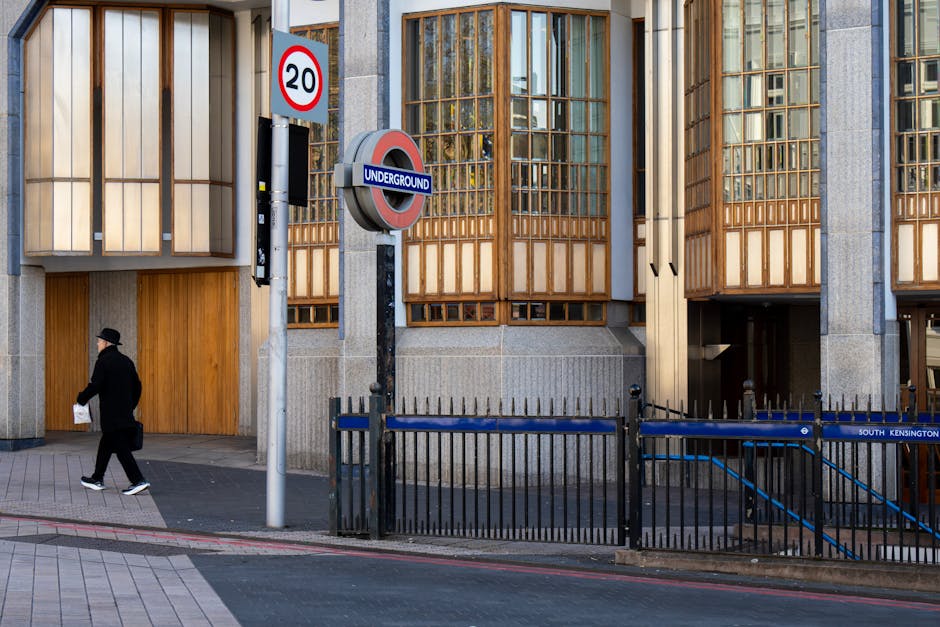
Moving near West Kensington Station can feel straightforward on paper and then slightly chaotic the moment you look at the actual building entrance, stairwell, parking restrictions, or that awkward courtyard nobody warned you about. Tight access removals are exactly where good planning earns its keep. This guide to West Kensington Station moving guide for tight access removals explains how to handle narrow hallways, limited waiting space, basement flats, shared entrances, and the kind of local access quirks that can turn a simple move into a long day if you do not prepare properly.
Whether you are shifting a studio flat, moving office equipment, or trying to get a sofa through a Victorian terrace staircase without scratching half the wall, the aim is the same: protect your belongings, reduce stress, and avoid the classic last-minute scramble. Truth be told, that scramble is where most moving headaches begin.
This article covers what tight access removals actually involve, how to plan around station-area constraints, which tools and service options tend to work best, and what to ask before you book. You will also find a checklist, a comparison table, and a realistic example based on the sort of move people often face around West Kensington.
Why West Kensington Station moving guide for tight access removals matters
West Kensington is the sort of London area where access can change from one property to the next, even within the same street. Around the station, you may find mansion blocks, compact flats, converted buildings, side entrances, shared stairwells, and parking that is never quite as generous as you hoped. That combination makes moving logistics more important than brute strength.
A tight access move matters because small obstacles multiply. A bulky wardrobe that would be easy in a ground-floor house can become a problem if the route includes a narrow turn, low ceiling, or steep stairwell. Add timed parking, lift bookings, and neighbours who would prefer the hall stays clear, and suddenly a "simple" move needs a proper plan.
This is where a focused approach helps. If you are comparing service options, you may also want to look at the broader removal services overview to see how different moving needs are typically handled in the area. For anyone moving out of a smaller property, the dedicated flat removals in West Kensington page is also useful because flat moves often bring the same access challenges discussed here.
In practical terms, this guide matters because it helps you predict friction before moving day. And once you can predict it, you can usually reduce it. Not always eliminate it. But reduce it enough to keep your move calm, which is what everyone wants by about 8:30 on a wet weekday morning.
How West Kensington Station moving guide for tight access removals works
Tight access removals are not a special type of magic. They are a more careful version of a standard move, with extra attention on access routes, item sizes, carrying technique, and timing. The process usually starts with a survey or at least a detailed conversation about the property, the items, and the route in and out.
In a station-adjacent area, the key questions are practical ones:
- Can a removal van stop close enough without causing a parking or loading issue?
- Is there a lift, and if so, will it take the item dimensions you need?
- Are staircases narrow, turning sharply, or protected by fragile walls?
- Will bulky items need dismantling before moving day?
- Is there a concierge, building manager, or time window to work around?
Once those points are clear, the move can be broken into smaller decisions. For example, some jobs are best suited to a full house removal team, while others are better handled with a smaller vehicle and a more nimble crew. If you are not sure which route fits your job, the pages on house removals in West Kensington and man with a van services show how different moving scenarios can be matched to the right kind of support.
The real work happens before the van door opens. Measurements, access checks, parking arrangements, protective materials, and load order all shape the day. That is why experienced movers tend to ask a lot of questions. Slightly annoying? Maybe. Useful? Absolutely.
Key benefits and practical advantages
When tight access is handled properly, the benefits are larger than people expect. The obvious one is fewer scrapes, bumps, and delays. The less obvious one is reduced mental load. Once you know the route, the vehicle size, and the item plan, the whole move stops feeling like a guessing game.
Here are the biggest advantages of planning this type of move well:
- Less risk of damage to walls, bannisters, doors, and furniture.
- Faster loading and unloading because the crew can work in sequence instead of improvising.
- Better use of vehicle space when items are prepped correctly.
- Lower stress on moving day because everyone knows the route and the plan.
- Fewer disputes with neighbours or building staff because timing and access are managed politely.
There is also a cost angle. While every move is different, getting access wrong can be expensive in indirect ways: extra labour time, repeated trips, damaged items, or booking the wrong type of vehicle. For a clearer picture of how service choices affect spend, have a look at the company's pricing information and the more detailed pricing and quotes page.
For some customers, sustainability matters too. Smaller vehicles, efficient routing, and properly planned loads can reduce wasted journeys. If that is important to you, the recycling and sustainability page is worth a look as part of your planning.
Who this is for and when it makes sense
This guide is for anyone moving where access is not generous. That sounds broad, but it really is. West Kensington has plenty of properties where the challenge is not the distance between addresses; it is how you get the furniture in and out without drama.
It is especially relevant if you are:
- moving into or out of a flat above ground level
- dealing with a narrow staircase or awkward landing
- working around limited parking near the station
- moving on a tight schedule
- handling heavy or fragile items like wardrobes, mirrors, or pianos
- trying to minimise disruption for neighbours or building managers
Students often run into this problem too, especially when moving into shared accommodation with not much storage space and even less patience for oversized boxes. If that sounds familiar, the student removals service can be a sensible fit.
Office users are not exempt either. A small office near the station can still have awkward access, especially if the move includes filing cabinets, monitors, or boxed archive material. In those cases, office removals in West Kensington may be more suitable than a purely domestic setup.
If your move includes unusually heavy or awkward items, it may also make sense to look at furniture removals or specialist piano removals. A piano is a lovely thing. Also, a completely unforgiving thing to move badly.
Step-by-step guidance
Here is a practical way to organise a move with tight access near West Kensington Station. Keep it simple. That is usually the trick.
1. Measure the problem, not just the furniture
Most people measure the sofa and stop there. Better to measure the furniture and the access route. Check door widths, stair turns, ceiling heights, lift dimensions, and any awkward corners. A few minutes with a tape measure can save a lot of swearing later. Fairly basic, but effective.
2. Map the route from van to property
Think in terms of the full journey: where the van can stop, how far the carry is, whether there are kerbs or steps, and whether there is enough turning space at either end. If you are moving from a block of flats, a lift booking or key collection process may also need to be factored in.
3. Decide what should be dismantled
Wardrobes, bed frames, desks, and some shelving units usually move better when partly dismantled. This is not only about making them fit; it is also about reducing strain and lowering the chance of damage. If dismantling feels beyond you, ask about support as part of the moving quote.
4. Choose the right vehicle and crew size
A larger van is not always the best choice in a tight-access area. Sometimes a smaller, more manoeuvrable vehicle is smarter, especially where parking is limited or the road layout is narrow. If you want a more flexible setup, compare man and van options with a dedicated removal van service.
5. Pack for carrying, not just for storage
Boxes should be labelled clearly, sealed properly, and packed with the walk route in mind. Heavy books in small boxes are easier to carry than one giant box full of regret. Fragile items need padding and a bit of common sense. If you need practical support, the packing and boxes guide is a helpful companion piece.
6. Protect the property and the belongings
Floor runners, blankets, corner protection, and door guards are worth the bother. In older buildings, especially, you want to avoid rubbing against painted walls or denting skirting boards. A careful crew will usually bring protective materials as standard, but it never hurts to confirm.
7. Build in time for the unexpected
Someone is usually late. A parking space is usually slightly less available than hoped. A table leg is usually more stubborn than it looked yesterday. Build a buffer into the day and the move will feel far less frantic.
Expert tips for better results
Here are the small things that make a big difference. These are the details people often forget until moving day, which is a shame because they are the easiest to fix in advance.
- Do a doorway test early. If an item is tight on paper, assume it will be tighter in reality once hands, blankets, and turning angles are involved.
- Reserve awkward items for first or last. Anything especially bulky should not be left until the middle of the load when everyone is tired.
- Label access notes on the booking. "Third floor, no lift, narrow stairs, street parking only" is far more useful than "apartment move".
- Photograph tricky access points. A couple of photos of stairs, hallways, and entrances can be surprisingly helpful.
- Keep essentials separate. Important documents, chargers, medication, and keys should travel with you, not buried under cushions and kettle boxes.
One thing I always suggest: treat the first ten minutes of the move as a set-up phase, not a race. If the crew needs to protect surfaces, open routes, and position items in the right order, that small pause pays back later. It really does.
If you are comparing local moving support, the broader removal services page gives a good sense of the kinds of help available, while removals in West Kensington is a sensible starting point for general area-specific planning.
Common mistakes to avoid
Tight access moves go wrong for boring reasons, mostly. Not because the task is impossible, but because people underestimate the practical bits.
- Booking the wrong vehicle size. Too small means extra trips; too large can mean parking pain.
- Forgetting to measure the route. A sofa that fits the room may still fail at the stair turn.
- Leaving packing too late. Rushed packing creates weak boxes and wasted time.
- Not checking building rules. Some blocks require lift bookings, protective coverings, or specific move windows.
- Assuming street access will be easy. Around station areas, traffic, loading limits, and narrow roads can all bite at once.
- Ignoring specialist items. Pianos, antique furniture, oversized mirrors, and delicate equipment often need extra care.
There is also the classic mistake of under-communicating. If a mover does not know there are three flights of stairs and a bend halfway up, they cannot plan properly. No one enjoys surprises like that, least of all the person carrying the wardrobe.
Tools, resources and recommendations
A good tight-access move relies on the right kit and a decent plan. You do not need to turn into a professional mover yourself, but it helps to understand what tends to be used and why.
| Tool or resource | What it helps with | Why it matters in tight access moves |
|---|---|---|
| Measuring tape | Checking doorways, stair width, furniture dimensions | Stops fit issues before moving day |
| Furniture blankets | Protecting items and property | Reduces scuffs in narrow corridors |
| Straps and trolleys | Safer lifting and transport | Useful where carrying distance is long or awkward |
| Box labels | Organising load order and unpacking | Makes tight unloading routes more efficient |
| Parking and access notes | Planning the van position and timing | Critical near station roads and restricted spaces |
For larger or more complex moves, it can also help to review broader service guidance before you commit. The removal companies in West Kensington page is useful if you are comparing providers, while same-day removals may be relevant if your timeline is tight and, well, a bit chaotic.
If you need temporary space between moves, storage in West Kensington can be a sensible pressure release valve. Sometimes the cleanest solution is to move in stages. No drama. Just logistics.
Law, compliance, standards and best practice
For most household moves, the key compliance issues are practical rather than legalistic, but they still matter. A moving team should work in a way that reflects standard health and safety practice, uses safe manual handling, and respects building rules and local parking requirements.
In the UK, good practice usually includes sensible lifting techniques, clear communication on hazards, and appropriate care for fragile or heavy items. If a property manager has rules about lifts, communal areas, or move times, those should be followed. The same goes for any access restrictions around loading zones or station-adjacent roads.
If you are choosing a removals provider, it is fair to ask about insurance, safety processes, and how claims or issues are handled. The company's insurance and safety information and health and safety policy are sensible pages to review before booking. You can also read the terms and conditions for the fine print that everyone forgets to check until they really should have.
For trust and transparency, it is also reasonable to look at a company's about us page, its payment and security details, and, if relevant, policies such as the accessibility statement. These do not move a sofa for you, of course, but they do tell you a lot about how the business works.
Options, methods, or comparison table
Different access situations call for different approaches. The best choice depends on property type, item volume, budget, and how much support you want on the day.
| Option | Best for | Strengths | Limitations |
|---|---|---|---|
| Full removal service | Large or complex household moves | More hands, more structure, better for awkward access | Usually the most comprehensive option |
| Man and van | Smaller moves, flats, partial loads | Flexible, often quicker to arrange | May not suit very heavy or high-volume jobs |
| Removal van only | People who have their own helpers | Useful if you just need transport | Less support with lifting and route planning |
| Specialist item move | Pianos, large furniture, fragile valuables | Better equipment and handling | May require additional planning |
| Storage first, move later | Gap between move-out and move-in dates | Reduces pressure on moving day | Not ideal if you want everything done in one go |
For many West Kensington moves, a hybrid approach works best: a small, skilled team, the right van, and a bit of pre-move dismantling. Nothing fancy. Just the right amount of help in the right places.
Case study or real-world example
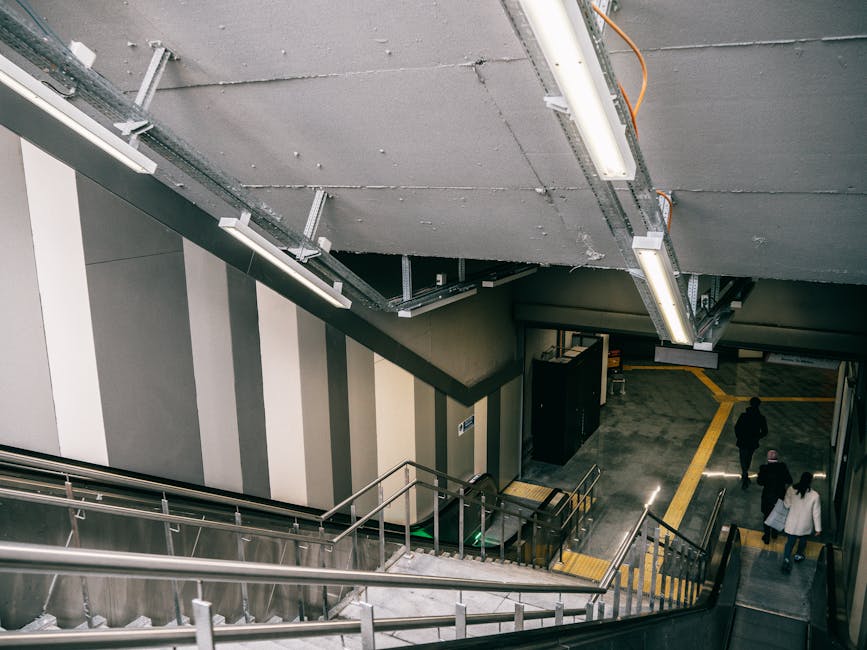
Picture a typical move near West Kensington Station. A renter is leaving a first-floor flat with a narrow stairwell, one awkward turn at the landing, and a sofa that looked "totally fine" in the living room until moving day arrived. The building also has a shared entrance, so the crew cannot leave belongings scattered about the hall for long.
In that situation, the sensible plan is usually:
- measure the sofa, stairwell, and door frames in advance
- book a smaller van that can access the street more easily
- protect the walls and banisters before moving anything
- dismantle the sofa if possible, or remove legs and cushions first
- load boxes by weight and fragility, not just by room
- schedule a short buffer for parking or building access delays
That kind of approach often turns a stressful day into a manageable one. Not perfect, perhaps. There may still be a stubborn drawer or a box that refuses to stack neatly. But the job gets done, the flat is left tidy, and no one has to force a chest of drawers round a staircase like they are auditioning for a strongman competition.
That example also shows why local knowledge matters. Someone who regularly works in the area will already understand the common access patterns, the parking realities, and the sort of building layouts that tend to slow things down.
Practical checklist
Use this checklist a few days before the move, then again on the morning itself. It is simple, but that is the point.
- Measure furniture, doors, hallways, stairs, and lifts
- Confirm parking and loading arrangements
- Tell the mover about any access restrictions
- Book lift slots or building access windows if needed
- Dismantle items that are likely to catch on corners
- Pack heavy items in smaller boxes
- Label fragile boxes clearly
- Keep essentials and valuables separate
- Protect floors and walls where possible
- Have keys, phone, and important contacts ready
- Check the weather if there is a long outdoor carry
- Review insurance and service terms before the day
Expert summary: Tight access removals near West Kensington Station are won in the planning stage. Measure the route, choose the right vehicle, pack for carrying, and keep the process calm. The move feels much smaller once the risk points are mapped out.
Conclusion
Moving near West Kensington Station does not have to be complicated, but it does reward preparation. Tight access changes the whole shape of a move: the vehicle choice, the packing method, the lift plan, the timing, and even the way you carry a single box through a narrow corridor. Once those pieces are handled properly, the rest becomes much more manageable.
If you are trying to decide between services, start with the size and complexity of the move, then work backwards from the access. That simple habit saves a surprising amount of stress. And if the details still feel a bit messy, that is normal. Most moves are messy on paper before they become orderly in real life.
For deeper help with quotes, service options, and planning the right type of move, explore the related service pages and choose the route that fits your property, your timings, and your peace of mind. A careful move is never wasted effort. It is the difference between a long, frustrating day and one that ends with the kettle on, boxes stacked, and a proper exhale.
Get a free quote today and see how much you can save.


